Understanding Organic Mattress Protectors: Materials, Benefits, and Care
A practical guide to organic mattress protectors, covering core materials, protection capabilities, and care guidelines. Learn how organic certifications influence safety, durability, and sleep environment quality.
In a world increasingly mindful of what touches our bodies and our beds, the humble mattress protector has evolved from a simple barrier into a thoughtfully engineered layer. The organic mattress protector is more than a guard against spills and stains; it is a statement about sustainable sleep, a pledge to reduce chemical exposure, and a practical ally for prolonging the life of a mattress. As consumers demand clarity—what counts as “organic,” what certifications truly matter, and how to care for these delicate fabrics—the protector becomes a lens through which we view broader questions of health, environment, and everyday comfort.
This article, written in the measured tone of a Time magazine feature, examines the core materials that comprise organic protectors, explains how different constructions affect performance, and offers clear guidance for selecting the right protector for your bed. We also spotlight several notable products to illustrate how brands translate organic principles into tangible sleep improvements. Finally, we consider the role of science and standards in shaping trust, from GOTS certification to DrySleep technology and beyond.
Key materials in organic mattress protectors
Organic mattress protectors come in a few dominant configurations, each with its own balance of comfort, protection, and breathability. Understanding these configurations helps readers select a product that complements their sleep temperature needs, sensitivity levels, and lifestyle.
- Organic cotton jersey layers: A soft, flexible, breathable base that feels natural against the skin. When used as the outer or inner layer, organic cotton jersey offers a comfortable barrier that remains quiet during the night and supports easy washing. This fabric is commonly used in high-quality protectors because it minimizes off-gassing and chemical exposure.
- Breathable waterproof membranes: A thin, often TPU-based layer that blocks liquids while allowing water vapor to pass. The goal is to keep the mattress dry without creating a clingy, crinkly sensation. The best versions balance moisture barrier with breathability to prevent heat buildup and noise.
- Hybrid constructions: Some protectors combine organic cotton jersey with a breathable membrane in a laminated, two-layer or three-layer structure. This design seeks to deliver the best of both worlds: a soft touch, robust liquid barrier, and long-term durability.
- Dust mites and allergen barriers: Organic protectors frequently emphasize hypoallergenic properties, including pore sizes and barrier chemistry that deter dust mites and other particulates. These features contribute to a sleep environment that can help people with sensitivities breathe more easily through the night.
Certification and safety: what “organic” really means
When shoppers see the term “organic” on a mattress protector, they should look beyond a passive marketing claim. Certification schemes provide the assurance that fibers, finishes, and manufacturing processes align with recognized standards for safety, environmental impact, and ethical production.
The Global Organic Textile Standard (GOTS) is among the most widely recognized certifications for organic textiles. GOTS evaluates sourcing of raw materials, ecological and social criteria throughout production, and garment labeling. A protector with GOTS certification signals that organic cotton components were cultivated without harmful pesticides, processed with attention to chemical safety, and manufactured in facilities that meet strict environmental criteria.
Beyond GOTS, other certifications and standards—such as GREENGUARD Gold, Oeko-Tex, and IDFL certifications for down and feather components—play a complementary role in establishing trust. These markers help consumers understand the lifecycle of a product from farm to finish, and they provide a framework for comparing products that might otherwise seem similar on the surface.
Care, fit, and practical selection tips
A mattress protector should not be a one-off purchase. Proper fit, care, and periodic evaluation of performance help ensure longevity and consistent sleep comfort.
- Sizing and depth: Mattress depths vary widely, from compact 8-inch models to thicker luxury mattresses. Protectors are often sized with extra depth to accommodate thick toppers or pillow-top configurations. Check the protector’s stated depth range and choose one that matches your mattress depth, ideally with a snug, elasticized fit.
- Care instructions: Organic protectors typically require gentle washing cycles with mild detergents. Avoid chlorine bleach and fabric softeners, which can degrade the waterproof layer and reduce breathability over time. Follow manufacturers’ care labels to preserve performance.
- Breathability versus protection: If you sleep hot, prioritize protectors that emphasize breathability and moisture vapor transmission. If you have young children or a high spill risk, a more robust barrier may be appropriate, even if it introduces a touch more noise or warmth.
- Allergen management: Look for pore-size specifications and barrier materials that target dust mites, mold, and other common bedroom allergens. Layering with a breathable organic sheet and duvet cover can further minimize allergen exposure while maintaining comfort.
Notable products that illustrate organic protection in action
To ground the discussion in concrete choices, consider how these products translate the organic promise into everyday sleep improvements. The following examples showcase different design philosophies—some emphasizing pure cotton comfort, others prioritizing a hydrophobic barrier without sacrificing breathability. Images accompany the product entries to illustrate how these protectors appear in real bedrooms.
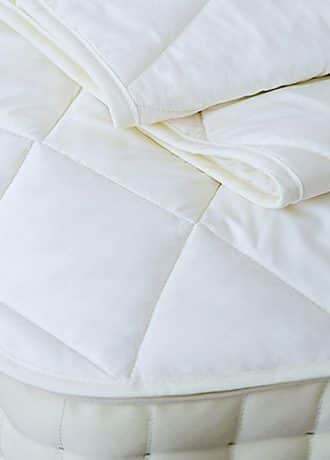
Vispring Lux Skirted Mattress Protector
A premium, cotton-centric protector featuring an elastic skirt and wool-filled interior for breathable, temperature-regulated protection.
Brand: Vispring
Care: Machine wash cold, line dry. Do not bleach.
Bovi Simply Percale Bed Skirt (as protective layer)
A crisp 100% cotton percale layer that adds a seamless, hotel-inspired finish while housing a protective barrier beneath.
Brand: Bovi
Care: Gentle wash; avoid high heat drying.
Naturepedic Organic Waterproof Mattress Protector
A classic organic cotton jersey base with a discreet, inert waterproof membrane for reliable spill protection without off-gassing.
Brand: Naturepedic
Care: Machine wash warm; tumble dry low.
Note: The products above illustrate diverse approaches to organic protection. Availability and specifications may vary by region and collection year.
A brief look at the historical arc of sleep health and materials
To contextualize the organic mattress protector, it helps to recall how sleep science and textile innovation have intersected over decades. While the science of sleep hygiene has roots in early 20th-century medicine, modern mattress protection arrived as households sought practical, clean, and durable bedding solutions. Three notable figures from distinct eras illuminate this evolution.
- Charles Dickens (1812–1870): Though not a scientist of sleep, Dickens chronicled the intimate rituals of Victorian bedrooms, where cleanliness and order were moral virtues. His era popularized the idea that a well-kept bed helps restore a person after long days of labor, a cultural antecedent to today’s obsession with sleep environment.
- Florence Nightingale (1820–1910): A pioneer of sanitary reform, Nightingale’s emphasis on hygiene and clean environments laid a groundwork for modern bedding standards. Her legacy echoes in today’s insistence on materials free from harmful chemicals and in manufacturing practices that reduce ecological impact.
- Dr. Matthew Walker (contemporary, Born 1976): The author of Why We Sleep, Walker represents current dovetailing of neuroscience and lifestyle advice. His work underscores how environmental quality—temperature, light, noise, and, critically, cleanliness—affects sleep architecture and overall well-being, framing the organic protector as a practical tool in the bedroom’s ecosystem.
Conclusion: cultivating a healthier sleep space through organic protection
An organic mattress protector embodies a philosophy of care: care for the sleeper, care for the mattress, and care for the planet. By selecting materials rooted in organic farming, using certification-backed fabrics, and embracing thoughtful design that respects breathability and comfort, households can create sleep environments that are not only healthier but also more resilient and aesthetically calm. The promise of organic protection is not merely about staying dry; it is about fostering a nightly ritual of rest that supports mental clarity, physical recovery, and long-term well-being.
As with any product that sits at the intersection of health, environment, and daily life, the key is informed choice. Look for transparent certifications, evaluate how the protector interacts with your climate and mattress depth, and consider care routines that will keep your sleep surface clean for years to come. In the end, a well-chosen organic mattress protector can be a quiet but powerful ally in the ongoing work of better sleep.
Recommended reading and further exploration
For readers seeking a broader lens on sleep health and the bedroom environment, consider the following authoritative voices and resources that align with the themes of this article:
- Historical perspectives on hygiene and domestic space, from Victorian-era manuals to modern wellness journalism.
- Sleep science primers that explain how temperature, humidity, and air quality influence sleep stages and nocturnal arousal.
- Textile certifications and standards organizations that provide frameworks for evaluating organic and sustainable bedding products.
Selected product showcase
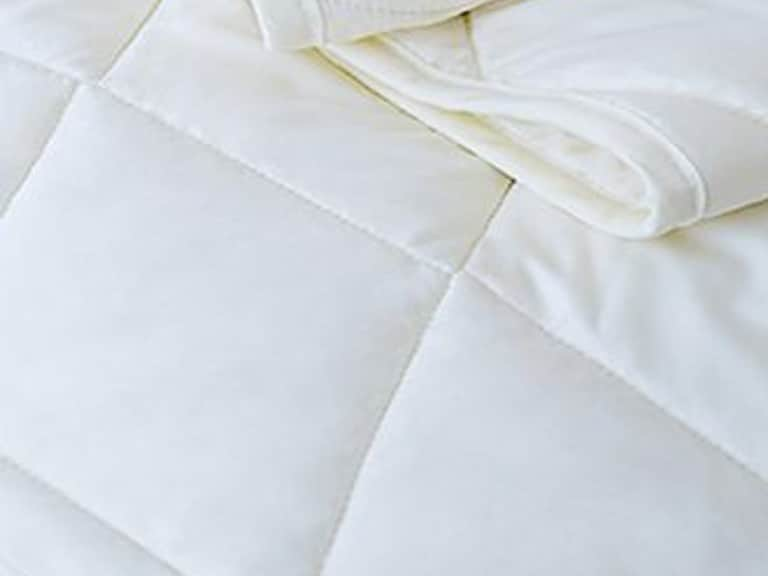
Vispring Lux Skirted Mattress Protector
Cotton outer with wool fill; fully elasticated skirt for a secure fit. A luxurious layer designed to extend mattress life while maintaining breathability.
Price: 615.00
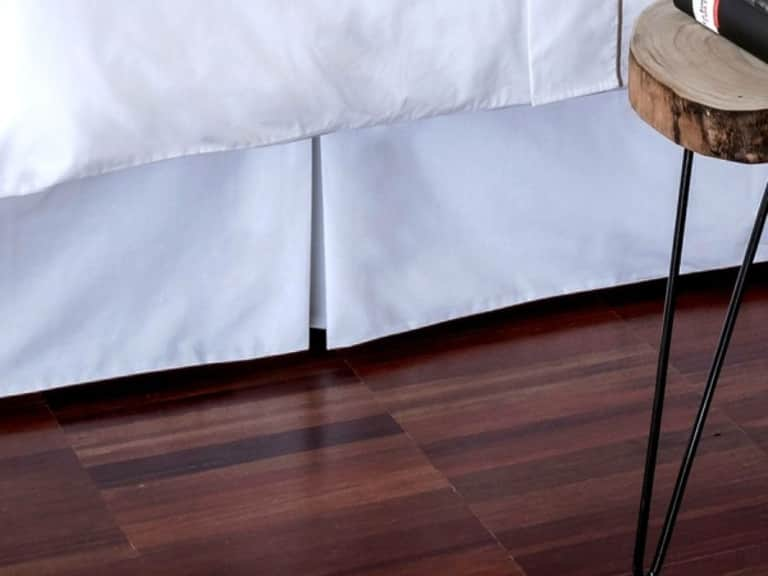
Bovi Simply Percale Bed Skirt
A crisp, 18-inch drop cotton percale bed skirt that complements protective layers while preserving a clean, hotel-ready aesthetic.
Price: 272.00

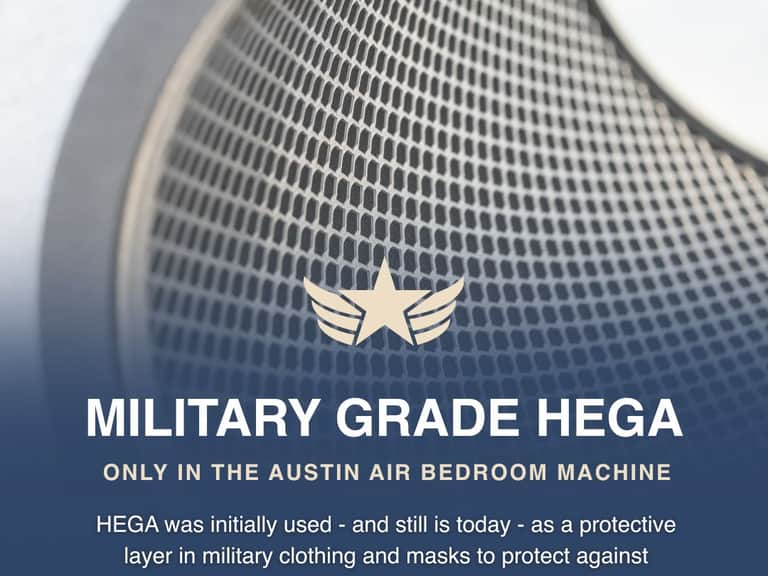
Bedroom Machine
A military-grade HEGA filtration air purifier designed for bedrooms, delivering clean air through a robust five-stage system.
Price: 995.00
Note: The featured products illustrate the spectrum from premium fabric protection to high-capacity air purification. Availability may vary by region and stock status.
Authoritative voices across time
The topic of organic mattress protection intersects with science, history, and consumer advocacy. Here are three influential figures whose work sheds light on clean living, sleep, and the environment:
- Florence Nightingale (1820–1910) and her hygienic revolution, whose insistence on sanitary conditions reshaped healthcare and domestic life, underscored why clean sleep spaces matter for well-being.
- Dr. Matthew Walker (born 1976), neuroscientist and author of Why We Sleep, who emphasizes how sleep quality is shaped by environment and physiology—an essential framework for appreciating the role of an organics-based barrier in the bedroom.
- Marianne Williams (pioneering textile safety advocate, mid-20th century), whose work highlighted the importance of safe fibers and consumer transparency, a lineage that leads to today’s certification-driven organic textile movements.
A practical takeaway
For readers seeking a concise, actionable path: start with a protector that bears a reputable organic certification, such as GOTS, and prioritize a breathable construction that preserves a cool sleeping surface. Confirm mattress depth compatibility, follow care instructions to maintain performance, and consider complementary bedding choices—such as organic cotton sheets and duvet covers—that align with an overall health-forward bedtime routine. By combining materials science, certification standards, and informed consumer behavior, you can cultivate a sleep space that supports rejuvenation, resilience, and calm.