Bedding · Sleep environment
Percale or Sateen? Choosing a Sleep and Beyond Duvet Cover
A duvet cover is more than a protective layer. Its weave shapes the first impression of the bed: cool or cozy, crisp or fluid, quietly practical or softly polished. Understanding the difference between percale and sateen can help you choose a cover that feels right in your room, through your seasons and your nightly routine.
Published November 4, 2026
At bedtime, small details become unusually vivid. A bedroom that seemed ordinary in daylight changes character when the lights go out: the weight of a comforter, the temperature of the room, the way a sheet brushes the skin. A duvet cover participates in that nightly ritual. It is the fabric closest to the comforter and one of the largest textile surfaces in the room, so its feel and upkeep can influence whether the bed seems inviting or simply made.
That makes the choice between percale and sateen worth more than a glance at a label. Both are cotton weaves, but they are constructed differently and tend to produce distinct textures. Percale is commonly associated with a crisp, matte finish and an airy hand. Sateen is usually smoother, with a gentle sheen and a more fluid drape. Neither is automatically superior. The better choice depends on what feels comfortable to you, how warm your bedroom tends to be, and what you want from your bedding after repeated washing.
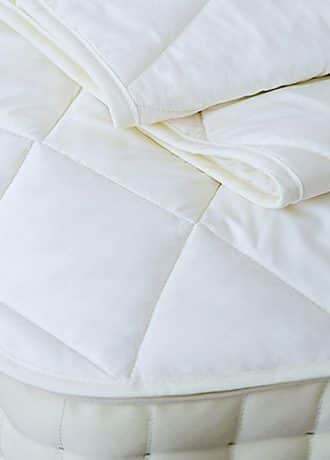
The Sleep and Beyond Organic Cotton Percale Duvet Cover Set offers a useful example of the percale approach. Made from certified organic cotton, the cover is described as a 300-thread-count percale with a lightweight, crisp feel. Its features point toward a familiar preference: a breathable, clean-feeling layer for sleepers who enjoy a cooler touch and a more tailored surface.
What a weave changes
Thread count gets much of the attention in bedding descriptions, but weave has a more immediate effect on texture. It describes how the lengthwise and crosswise yarns intersect. Percale uses a simple one-over, one-under structure. That balanced pattern gives the fabric its characteristic crispness and matte appearance. The result is often compared to a freshly laundered shirt: light, smooth, and distinct rather than glossy or plush.
Sateen uses a different arrangement, allowing more threads to pass over the surface before they tuck beneath another yarn. The exposed yarns create a smoother face and a soft luster. In a duvet cover, this can translate into a supple drape that feels silky against the hand. Sateen may feel warmer or weightier than percale to some people, though the experience also depends on fiber, fabric weight, room conditions, and the duvet insert underneath.
These are tendencies, not guarantees. A person who finds one cotton percale scratchy may find another comfortable after several washes. A sateen cover can feel airy if it is made from a light fabric, while a tightly woven percale may feel less breezy than expected. Descriptions such as “cooling” or “silky” are useful starting points, not promises that can replace personal preference.
Percale: crisp, breathable, and easy to read
Percale is often chosen by people who like a clean, crisp surface rather than a brushed or glossy one. The weave has a straightforward, balanced feel, and many sleepers associate it with a cool touch when climbing into bed. It is a natural candidate for warm rooms, warmer seasons, or anyone who tends to prefer lighter-feeling bedding.
The Sleep and Beyond cover reflects that profile. Its product details describe certified organic cotton, a 300-thread-count percale construction, and a light, breathable feel. The percale weave is also presented as durable and pre-shrunk, intended to help the cover maintain a consistent fit and feel through routine laundering. Those details matter because a duvet cover is not a decorative textile that remains untouched; it is a working part of the bed, exposed to body oils, nighttime perspiration, and regular changes of bedding.
Percale’s matte finish also suits a restrained bedroom. It does not rely on sheen to look finished, so it can feel at home in a simple arrangement of solid colors, natural textures, or layered blankets. Its crispness may soften with use and washing, while still retaining a less slippery character than many sateens. If you like bedding that feels fresh rather than plush, that distinction may be precisely the point.
There are trade-offs. Percale can wrinkle more visibly than sateen, particularly if it is left sitting in a laundry basket or allowed to cool in a crumpled dryer. Some people enjoy the relaxed, lived-in look; others prefer a smoother bed. A duvet cover’s size and construction affect how much it creases, as do washing and drying habits. If a sharply smooth finish is essential, sateen may be the more natural fit.
Sateen: smooth, fluid, and softly luminous
Sateen’s defining appeal is its surface. The weave creates a soft, smooth feel and a subtle sheen that can make bedding look more polished. It tends to drape rather than hold the crisp outline associated with percale. For sleepers who enjoy a silky hand or a more substantial, cozy impression, sateen may feel welcoming from the first night.
That smoothness can be a matter of preference rather than function. Some people find sateen comfortable in cooler rooms or during colder months; others prefer it year-round. Its sheen can also change how color appears, lending solid shades a slightly richer or more dimensional look. In a bedroom where the bed is the central visual element, the finish can contribute to a softer, more dressed appearance without requiring extra layers.
As with percale, care and construction are important. Smoothness does not tell you everything about fiber quality, durability, or laundering requirements. Look beyond the word “sateen” to the material, the manufacturer’s care directions, the dimensions, and the closure. A pleasing weave cannot compensate for a cover that slips off the insert or does not fit the bed’s comforter properly.
How to decide between the two
Begin with the feeling you want, not a thread-count contest. If you gravitate toward crisp cotton shirts, cool sheets, and a matte look, percale may be a strong match. If you prefer a smoother hand, a soft sheen, and fabric that falls more fluidly across the bed, sateen may suit you better. These preferences are personal, and neither one indicates a more sophisticated or more healthful choice.
- Consider the room. A bedroom that often feels warm may make the light, airy character associated with percale appealing. In a cooler room, the smoother impression of sateen may feel more comforting. The duvet insert and the room’s temperature will also affect how warm the bed feels.
- Think about your sleep habits. If you often wake feeling too warm, a breathable-feeling fabric is one part of the bedding system to evaluate. It is not a treatment for sleep problems, and changing a cover alone cannot address every cause of overheating.
- Notice your touch preferences. Texture is not a minor detail when it is against your skin for hours. Some people prefer a crisp surface; others want a smoother, more supple one.
- Be realistic about wrinkles. Percale’s relaxed creases can be attractive to some and frustrating to others. Sateen tends to appear smoother, though both fabrics benefit from prompt, careful laundering.
- Check the full bedding combination. The duvet insert, sheets, mattress protector, and room temperature all shape the experience. A cover is part of a sleep environment, not a stand-alone climate-control system.
What to check before buying a duvet cover
Even a fabric that seems ideal can disappoint if the cover is the wrong size or difficult to maintain. Start with the dimensions of both the duvet insert and the cover. Size labels such as “queen” or “king” are not perfectly uniform across brands, and a cover that is too small may compress the insert. One that is substantially larger can allow the filling to shift and bunch. Compare measurements rather than relying only on the name of the bed size.
Next, look for a secure closure and interior ties. Buttons, a zipper, or another closure system keep the insert enclosed; corner ties help stop it from migrating inside the cover. The Sleep and Beyond percale collection lists several size options, including twin, full/queen, king, and super king. Its stated dimensions vary by size, so checking the measurement chart before ordering is a practical step, particularly when matching it to an existing comforter.
Consider what comes in the set. The Sleep and Beyond product listing describes a duvet cover with pillow shams in the listed configurations. Confirm the contents and dimensions you need rather than assuming every set includes the same number or size of shams. If you already own pillowcases or prefer a simpler bed, the set’s components may influence your decision as much as the fabric itself.
Finally, read the care instructions before the first wash. The Sleep and Beyond percale cover is listed as machine washable in warm water on a gentle cycle, with non-chlorine bleach if needed, and low-temperature tumble drying. The guidance also notes that the fabric is pre-shrunk. Following the manufacturer’s directions helps limit unnecessary wear and supports the intended fit. Avoid treating high heat as a shortcut: it can stress fibers and may contribute to shrinkage, depending on the fabric and laundering conditions.
A removable cover makes upkeep more manageable
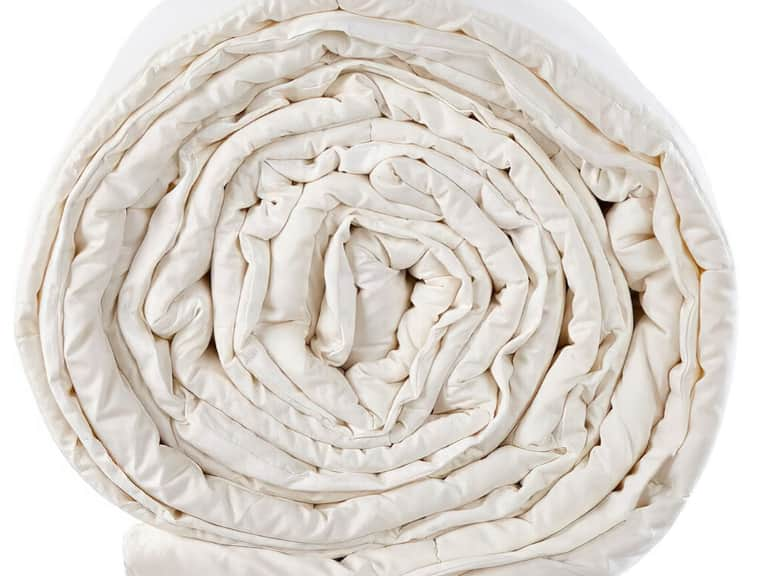
A duvet cover has a simple but valuable role: it forms a washable outer layer around the insert. Because the cover can be removed, routine cleaning does not necessarily require washing the entire comforter every time the bed needs freshening. That can make a bedding-care routine more practical, especially when the insert itself requires more specialized care or is bulky to launder.
Care still depends on the cover’s fabric and the manufacturer’s directions. Wash it at the recommended temperature, use an appropriate detergent, and make sure it dries fully before it goes back on the bed. Damp bedding can retain an unpleasant odor and is uncomfortable to sleep under. If you use a duvet cover with a wool comforter, for example, follow the care instructions for each item separately; the washable cover and the insert may have very different requirements.
Changing a duvet cover can be awkward, but a consistent method helps. Turn the cover inside out, reach into it to grasp the two far corners, and grip the corresponding corners of the insert. Then roll or pull the cover over the insert and fasten the closure. Interior ties, when present, are useful for keeping the comforter evenly distributed. A quick shake after dressing the bed can help the insert settle into place.
The weave is only one part of sleep comfort
Choosing a duvet cover can improve the feel and manageability of the bed, but it should not be asked to do more than fabric can do. Sleep is influenced by many factors, including schedule, light, noise, health, stress, and temperature. A crisp cover may make bedtime more pleasant; it does not guarantee better sleep or resolve persistent insomnia. If sleep difficulties continue or interfere with daily life, a qualified health professional is a more appropriate source of guidance than a change in bedding alone.
That distinction keeps the decision grounded. “Breathable” describes a fabric characteristic, not a medical outcome. “Organic cotton” refers to how the fiber is certified or produced under a particular standard; it does not establish that a product will suit every person or improve sleep by itself. Look for clear product details and certifications, and focus on the practical qualities you can assess: material, weave, fit, texture, and care.
The quiet case for percale
The Sleep and Beyond organic cotton percale duvet cover makes a clear case for choosing bedding by feel and function rather than by fashion alone. Its crisp weave, cotton construction, and stated care instructions offer a recognizable profile for someone seeking a light, breathable-feeling cover that can be removed and laundered as part of a regular routine. Its appeal is not that it promises a perfect night. It is that it brings several useful choices into one straightforward textile: a familiar cotton fiber, a matte percale surface, and a washable outer layer.
Sateen remains the better choice for a different kind of sleeper: one who values smoothness, a gentle sheen, and a more fluid drape. The comparison is less a contest than a question of comfort. A room can be styled around either weave; a well-made bed can be built from either. The right one is the fabric you are glad to meet at the end of the day.
When in doubt, narrow the decision to three questions: Do you prefer crisp or silky? Does your bedroom tend to feel warm or cool? Are you comfortable with the care and wrinkle profile of the fabric? Answer those honestly, verify the cover’s dimensions and closure, then choose the weave that fits your routine. In a bedroom designed to feel calm, that kind of considered decision is a useful beginning—not a grand transformation, but one less source of friction between the day and the night.