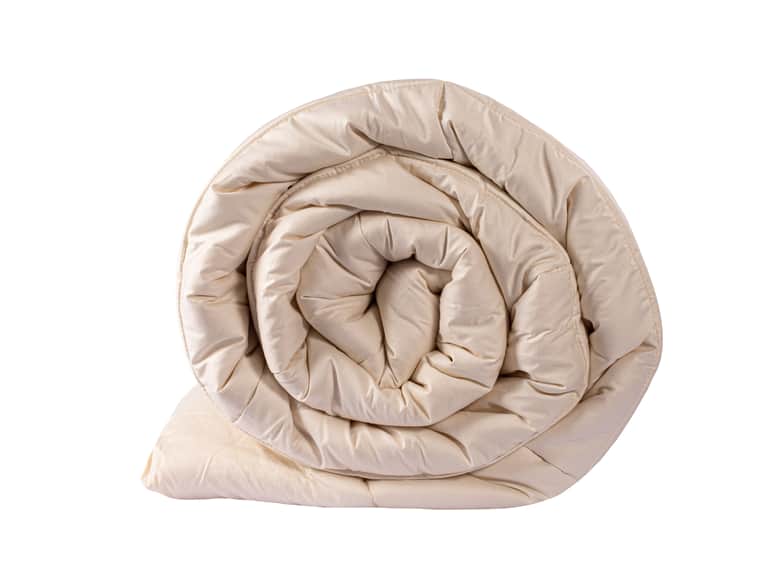
Comforters are essential bedding pieces designed to provide warmth and coziness while maintaining a clean, streamlined aesthetic. They typically feature an inner filling and a durable fabric shell, offering varying levels of insulation to suit seasonal needs. Understanding fill types, weights, and construction helps in selecting a comforter that aligns with sleep preferences and room temperature control.
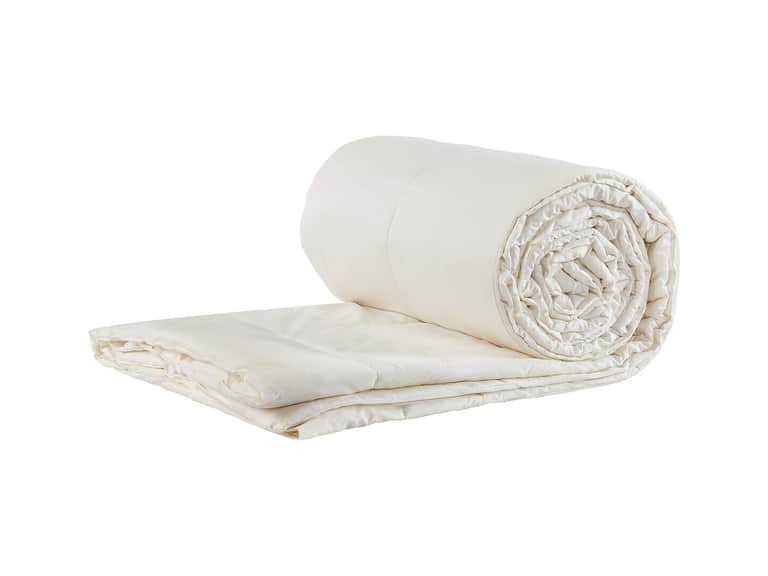
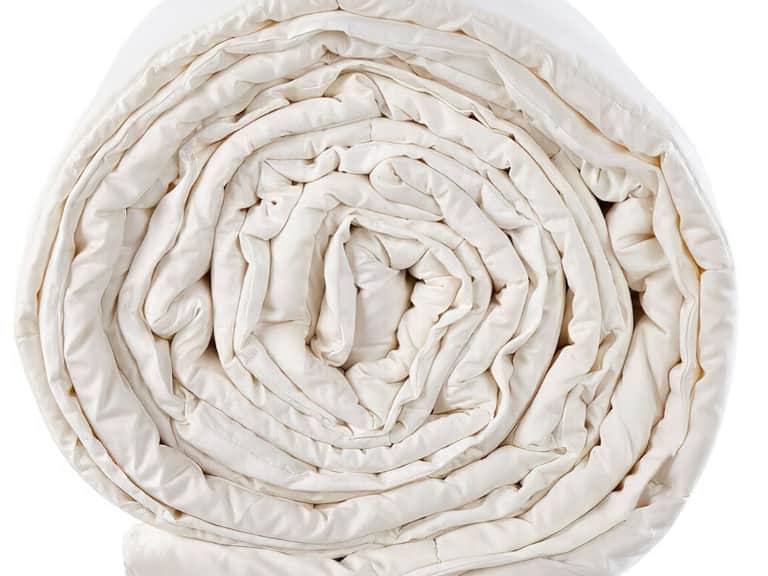
Common fill materials include down, down-alternative, and wool, each with distinct properties. Wool comforters offer natural moisture regulation and breathability, while down alternatives provide hypoallergenic options with reliable warmth. Knowing the pros and cons of these fills supports informed decisions for year-round comfort and allergy-conscious bedding choices.
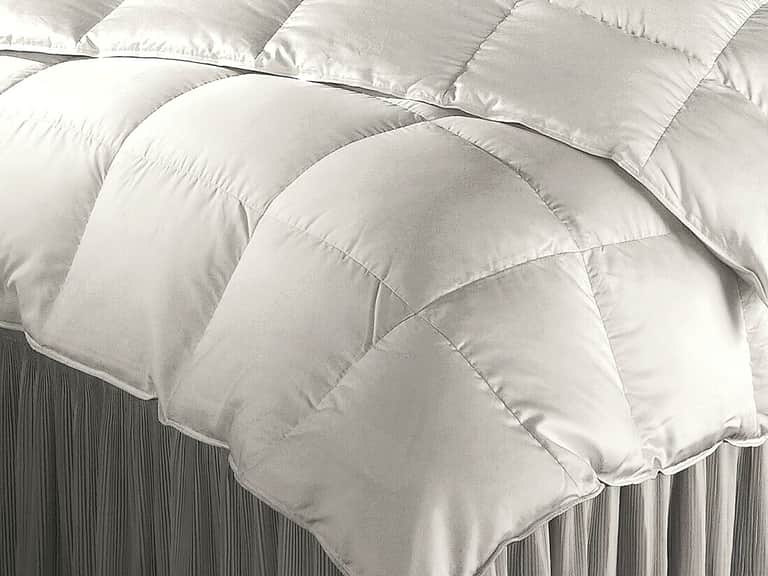
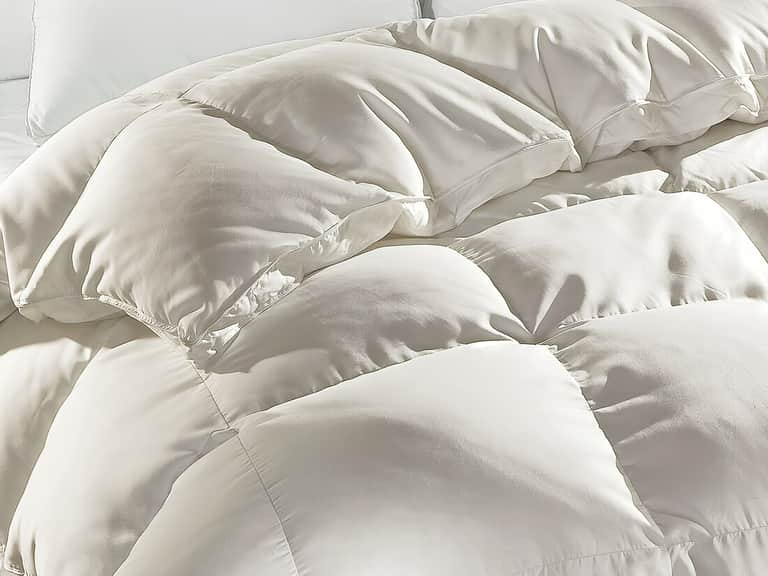
Construction details such as stitch pattern, baffle box design, and corner craftsmanship influence warmth distribution and durability. A well-constructed comforter with evenly distributed fill helps prevent cold spots and shifting. For children or adults with different warmth needs, dual-season or adjustable bedding configurations provide practical adaptability in a single night’s sleep environment.
Care considerations vary by fill and shell fabrics. Machine-washable comforters with durable shells simplify cleaning, while delicate wool or high-fill-down items may require professional cleaning or gentle care routines. Understanding care labels and maintenance tips extends the lifespan of the comforter and preserves its loft, warmth, and comfort level over time.
In sleep and bedding research, comforters are evaluated for thermal performance, weight, and ease of use within different bed sizes and adjustable beds. Integrating knowledge about bedding materials, such as wool comforters and synthetic fills, helps align choices with personal comfort, climate, and sleep quality goals while maintaining a harmonious bedroom aesthetic.
 Bedding