Hybrid mattresses combine the contouring comfort of foam or latex with the support and durability of pocketed coils, delivering balanced pressure relief and stable spinal alignment. In the hybrid category, materials and construction influence bounce, response time, and overall airflow, making them suitable for a range of sleep positions and preferences. Keywords such as bedding, sheets, and comforters intersect with the bed’s support system to create a cohesive sleep environment.
A key feature of hybrids is the integration of zoned or individually wrapped coils, which provide targeted support for the shoulders, hips, and lower back while reducing motion transfer. Layered comfort materials, including breathable foams or natural fibers, enhance temperature regulation and comfort longevity, supporting restful sleep across seasons with durable performance.
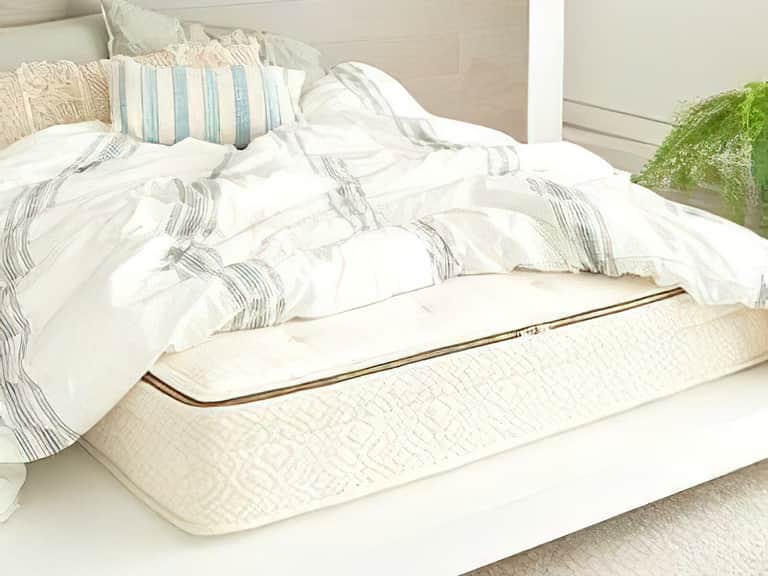
The Naturepedic Azure Hybrid Organic Mattress exemplifies the category by combining organic materials with robust support. This model typically emphasizes a toxin-free, sustainably sourced profile, a responsive transition between comfort layers and coils, and reinforced edge support. Such design elements contribute to long-term durability and consistent spinal alignment.
When evaluating hybrid mattresses, consider compatibility with adjustable beds, which can alter the ergonomics of sleep, relief pressure points, and ease of reading or lounging. The hybrid structure often accommodates varied firmness preferences, allowing for customization of feel—ranging from plush to firmer supports—without sacrificing stability.
For a well-rounded bedroom setup, align the mattress choice with complementary bedding essentials like fitted sheets and comforters, including options such as wool comforters for temperature buffering. Understanding how the Naturepedic Azure Hybrid Organic Mattress interacts with these elements supports informed decisions about long-term comfort and sleep quality.
 Mattresses