 Mattresses
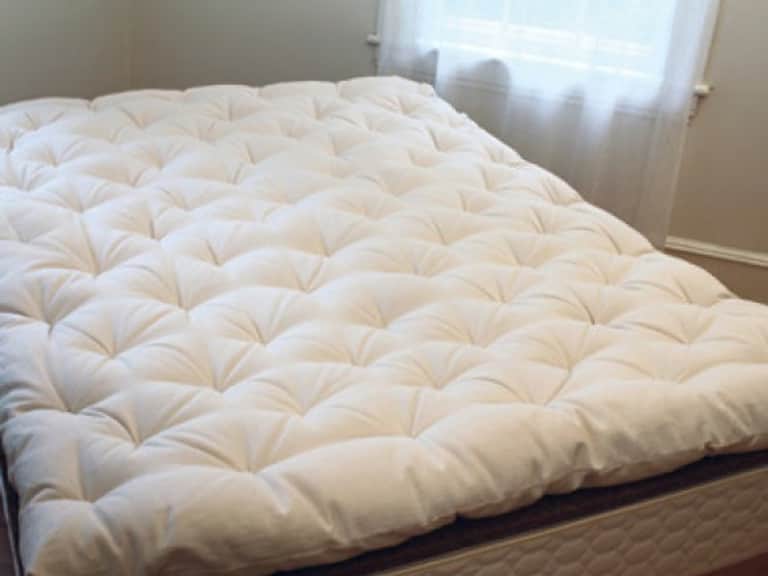
Savvy Rest Pastoral Wool Mattress
Sleep cooler, drier nights with organic wool filling in a latex-free, tufted cotton cover—breathable comfort and chemical-free coziness for healthier, happier rest.
Kids mattresses are designed to support growing bodies with age-appropriate firmness, spinal alignment, and safety. This category emphasizes materials, certifications, and construction that promote healthy sleep. Understanding features such as latex, foam, and natural fiber layers helps caregivers select options that accommodate different sleep positions and preferences while minimizing motion transfer for siblings sharing a bed.
Key considerations include durability, hypoallergenic materials, and moisture management to maintain a clean, comfortable sleep environment. Many kids mattresses use breathable fabrics and eco-friendly components that reduce heat buildup. When evaluating options, look for certifications, edge support design, and resilience to ensure the mattress maintains comfort over years of use.
The Savvy Rest Pastoral Wool Mattress exemplifies a natural, breathable approach. This model integrates organic cotton, layered wool for temperature regulation, and natural latex for supportive contouring. Benefits include consistent firmness, pressure relief for developing spines, and long-lasting comfort that adapts to a child’s growth and changing sleep needs.
Functional advantages of wool and latex mattresses include temperature neutrality, noise-free materials, and reduced off-gassing compared with synthetic cores. For families, careful backing by quality inners and encasements enhances durability and hygiene. Understanding layer readability—cover, comfort core, and support core—helps in assessing long-term suitability for kids’ sleep.
Within this category, keywords such as bedding, sheets, comforters, wool comforters, and adjustable beds appear in context to reflect related bedding ecosystems. Evaluating how a mattress works with compatible sheets and breathable bedding contributes to comfort and temperature control. An informed approach considers child safety, ergonomic sleep support, and the practical benefits of materials like wool and natural latex.
Mattresses