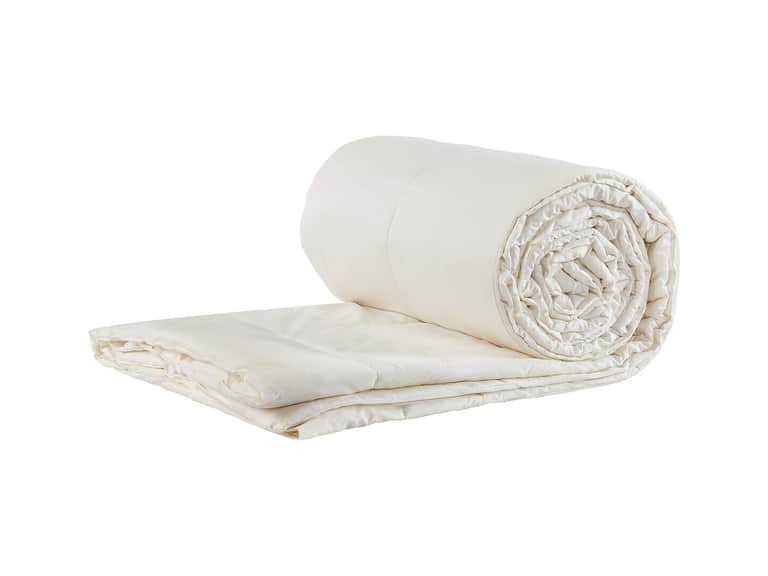
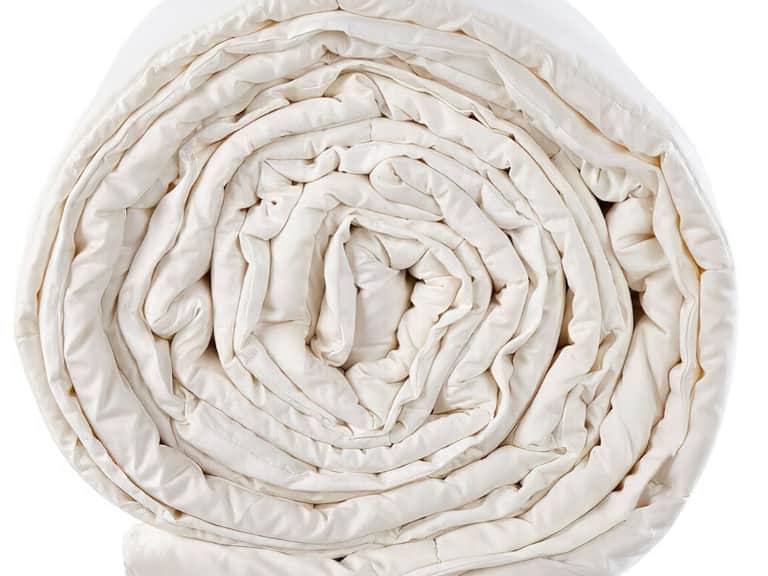
Wool comforters are valued for their natural temperature regulation, breathability, and moisture management. This category highlights how wool fibers help maintain an even sleeping climate by absorbing and releasing moisture as needed. Understanding fiber quality, weave, and filling weight aids in selecting a comforter suited to varied seasons and personal comfort preferences. Key terms include wool comforters, bedding materials, and seasonal sleep solutions.
Wool comforters utilize natural crimp and loft to create insulating layers without excessive bulk. A high-quality wool fill can provide warmth while remaining lightweight, reducing the chances of overheating. In addition, wool resists odor buildup and lends durability, making it a practical choice for long-term bedding systems that prioritize comfort and hygiene.
In this category, products like Sleep and Beyond myComforter demonstrate how wool can be combined with specific weaves or blends to enhance feel and performance. Features to note include fiber origin, carding and spinning quality, and the dimensional stability of the cover. Functional benefits often emphasize long-term loft retention and consistent warmth across changing room temperatures.
Choosing a wool comforter involves considering fill weight, fabric exterior, and care requirements. Light weights are suitable for mild climates or layered bedding, while medium to heavy weights suit cooler environments. Understanding care labels helps maintain loft, allergens resistance, and overall longevity, supporting a balanced and restful sleep environment.
Meta keywords such as bedding, sheets, comforters, wool comforters, and adjustable beds reflect the broader context of sleeping arrangements. The included Sleep and Beyond myComforter with its specific features illustrates practical applications: temperature regulation, hypoallergenic properties, and compatibility with varied bed frames, including adjustable bases, to support diverse sleep setups.
 Bedding